Stay Safe At Home: How Installing A CO Detector Can Save Your Life
Did you know? Installing a carbon monoxide (CO) detector can mean the difference between life and death!
The colourless, odorless and tasteless gas is untraceable without a CO detector. Inhaling low levels of carbon monoxide can lead to symptoms like headaches and impaired motor functions. Even worse, higher levels can be especially dangerous causing loss of consciousness or even death.
In 2008, Conservative MPP Ernie Hardeman addressed the CO issue by introducing a bill requiring households to install CO detectors to identify carbon monoxide.
The bill was created as a result of the deaths of Ontario Provincial Police officer Laurie Hawkins, her husband Richard and their two children, when carbon monoxide seeped into their house because of a blocked chimney. The Hawkins’ weren’t the only family that lost their lives to carbon monoxide poisoning, 250 people in the province were killed by the gas over the last decade.
As part of our commitment to home safety and comfort, ClimateCare Canada has partnered with the Hawkins-Gignac Foundation. Link ClimateCare will support the efforts of the foundation by educating homeowners on the imminent need for CO detectors in the household.
The number of deaths in Ontario may lessen with updated provincial laws. As of January 1, 2026, carbon monoxide alarms are required in homes with a fuel-burning appliance, fireplace, attached garage, or homes heated by air from a fuel-burning appliance located outside the home. CO alarms must now be installed adjacent to all sleeping areas and on every storey of the home, including levels without bedrooms.
Here are some ways you can protect your household from carbon monoxide leaks and adhere to the new laws:
- Get a CO detector. The detectors often cost $50 or less.
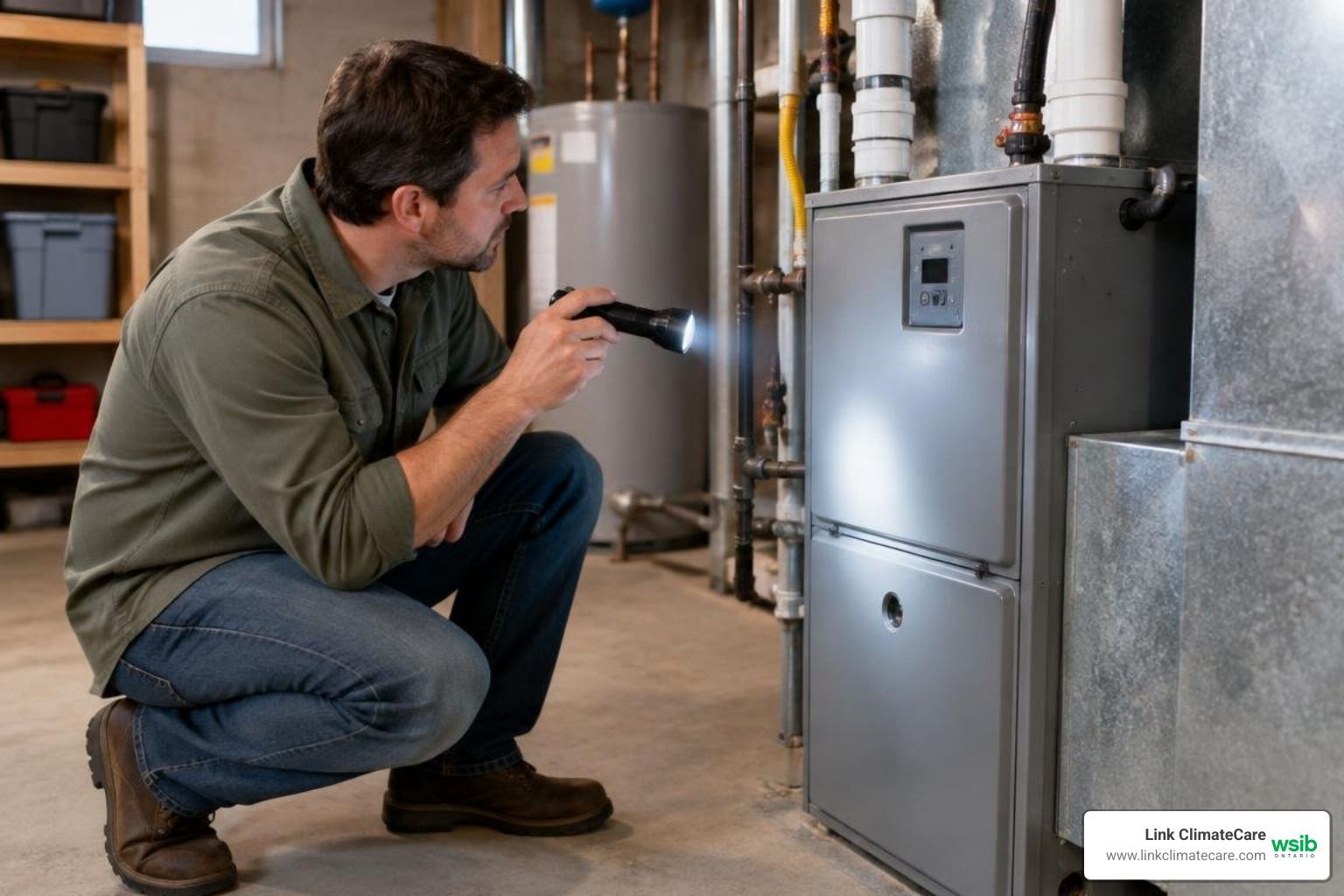
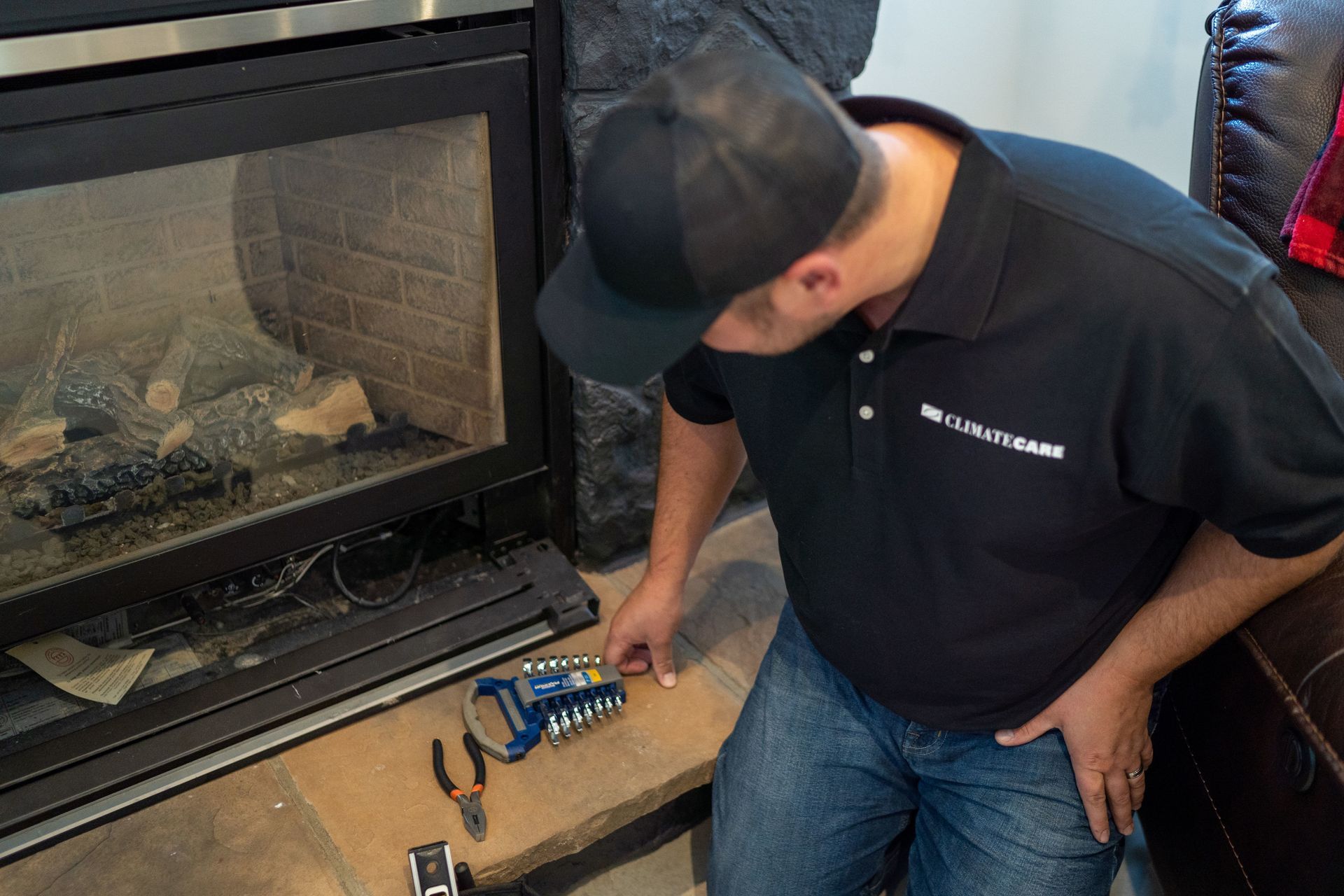
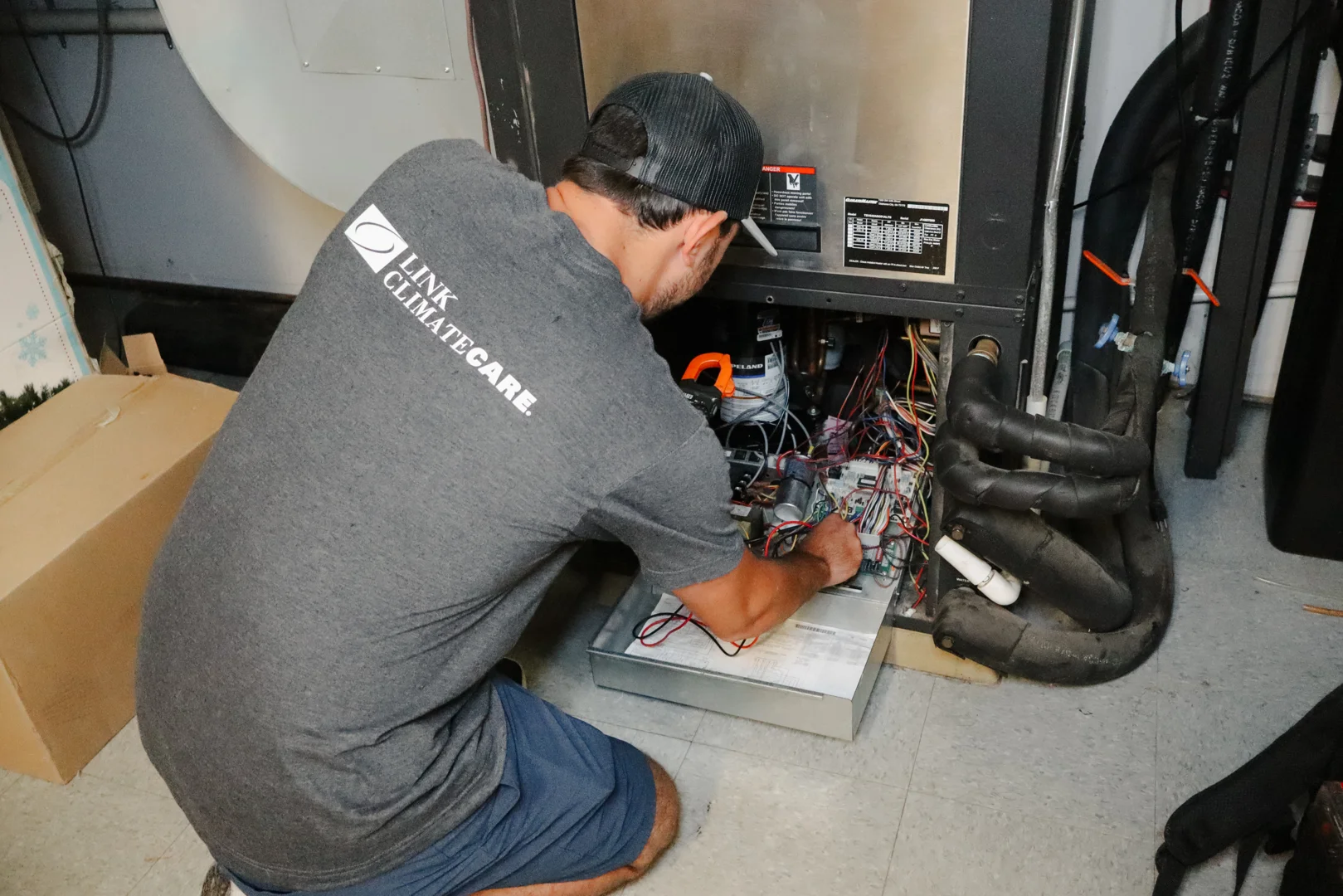
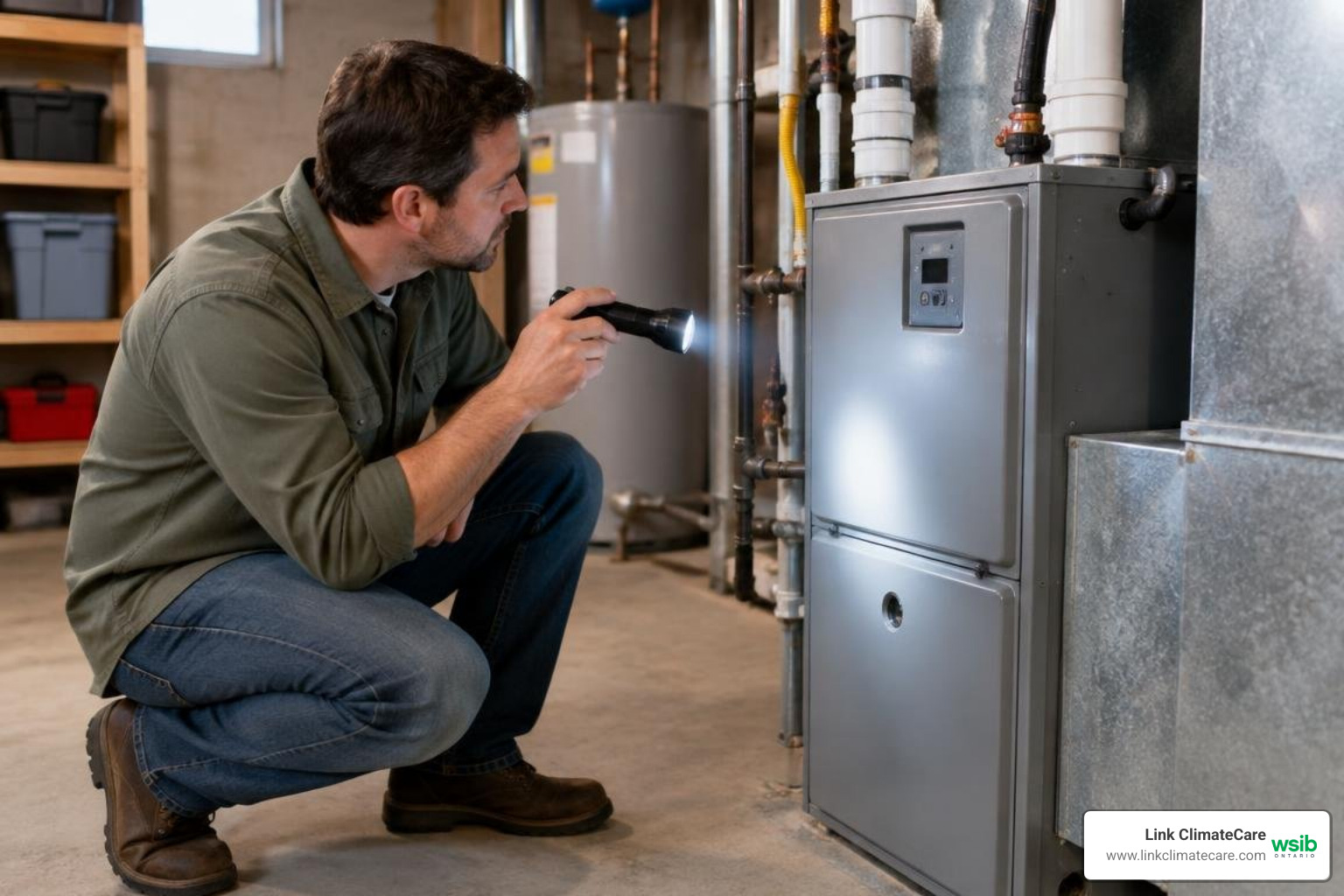
- Ensure your furnace, gas fireplace and hot water tank are well maintained.
- Don’t let vehicles idle in the garage and keep the garage door connecting to the house closed.