Geothermal Heating Problems: When to Call a Professional
Geothermal Heating Not Working? Start With These Checks
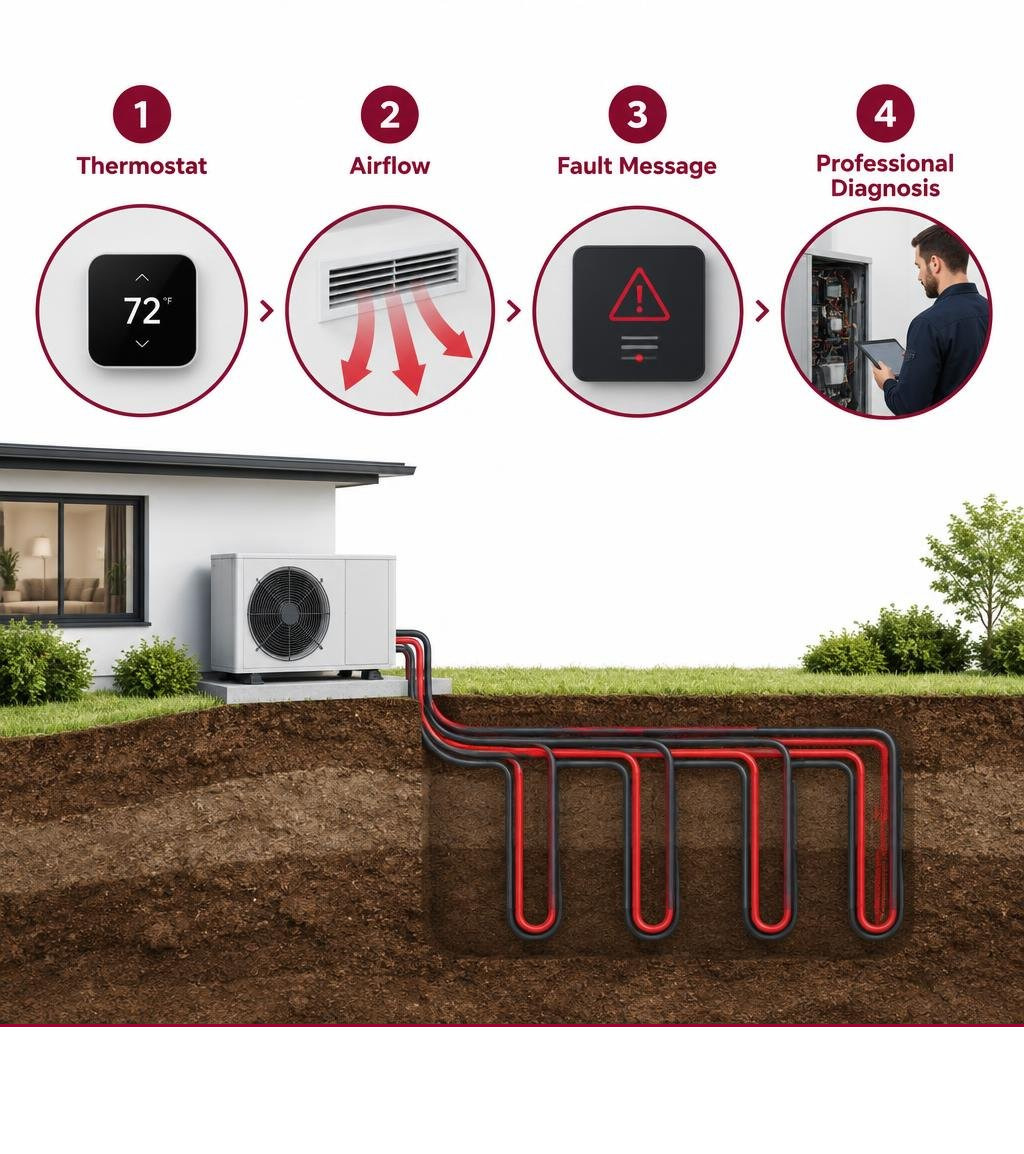
A geothermal system that is not maintaining comfortable indoor temperatures may have an airflow restriction, thermostat or control fault, ground-loop circulation issue, or safety lockout. Because these systems require specialized diagnosis, arrange professional service if the home remains uncomfortable, the unit stops operating normally, or diagnostic lights appear rather than repeatedly resetting the breaker.
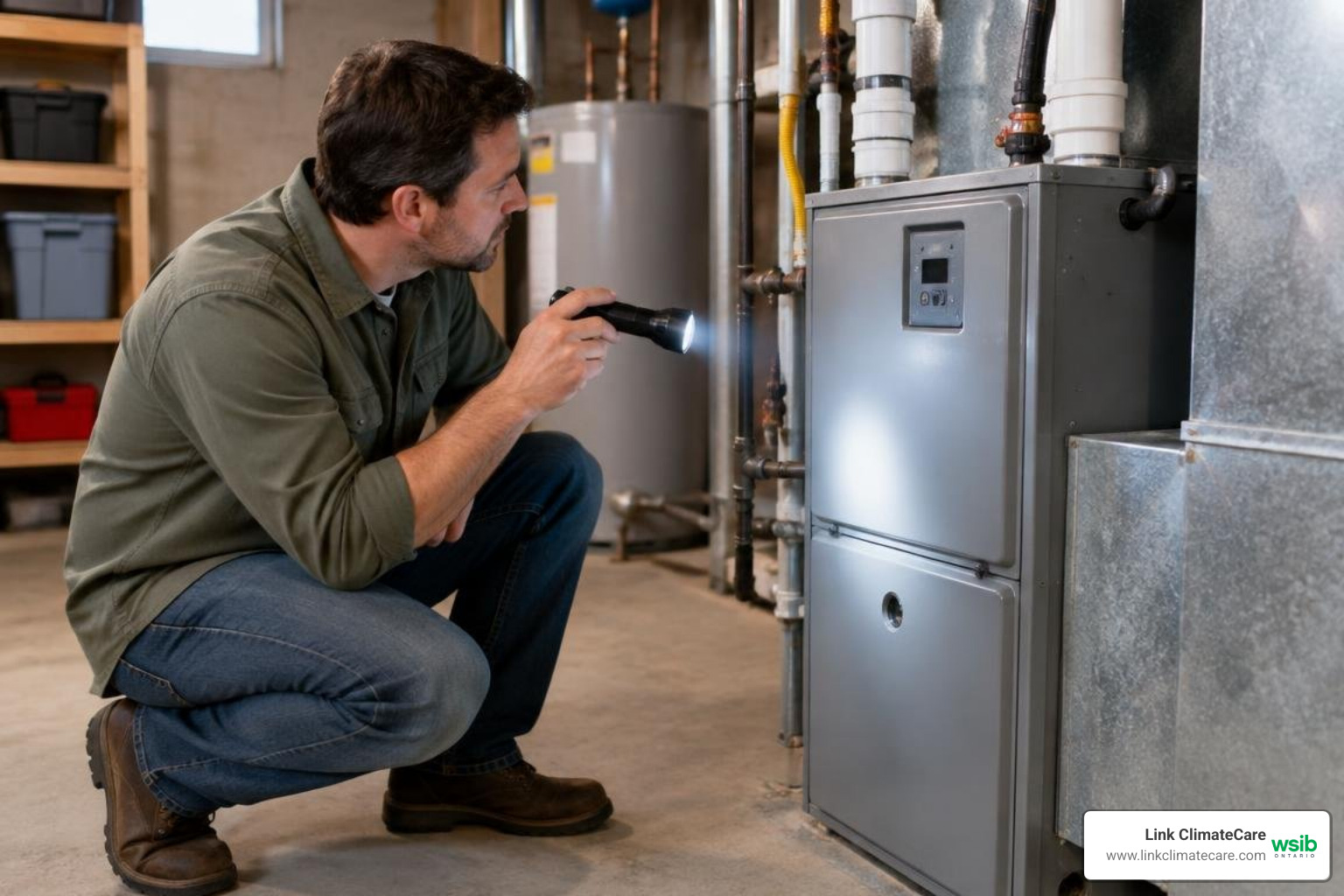
A Link ClimateCare technician can determine whether the comfort problem originates in the indoor air handler, controls, or subterranean loop field.
Common Causes of a Geothermal System Not Heating

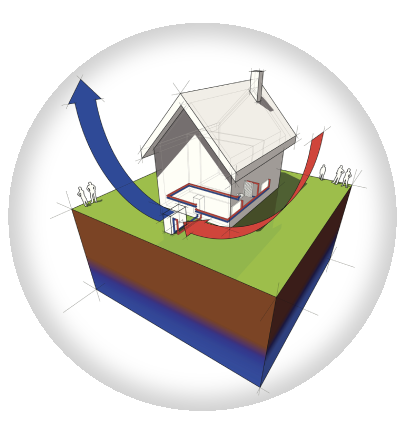
Geothermal systems deliver high efficiency by exchanging thermal energy with the earth. During cold weather, the system extracts heat from the ground and transfers it into your home through buried loop piping. When this thermal exchange is disrupted, the equipment fails to condition your home effectively. Understanding how heat pump heating operates helps clarify whether the issue stems from indoor air delivery or the outdoor loop field.
The table below outlines common symptoms and indicates whether the issue typically originates inside the home or within the exterior ground loop:
System Observed: Weak airflow from vents with normal line temperatureLikely
Origin: Indoor Unit
Potential Root Cause: Heavily clogged air filter or blower assembly fault
Symptom Observed: System heats for two hours, then blows cool air
Likely Origin: Ground Loop / Flow Center
Potential Root Cause: Overheating circulator pump or fluid flow restriction
Symptom Observed: Flashing diagnostic LED on circuit board
Likely Origin: Indoor Heat Pump Cabinet
Potential Root Cause: Safety lockout due to high pressure or freeze protection
Symptom Observed: Frost forming on copper suction piping
Likely Origin: Indoor Unit / Refrigerant Circuit
Potential Root Cause: Severe airflow restriction or internal refrigerant imbalance
Symptom Observed: Gurgling or rattling sounds near flow center
Likely Origin: Ground Loop Piping
Potential Root Cause: Low static loop pressure or entrained air pockets
Closed-loop fluid dynamics depend on precise flow rates and balanced fluid pressure. Most operational problems connect directly to water flow or loop temperature rather than refrigerant loss. A professional technician verifies these dynamics by measuring the entering water temperature and leaving water temperature to determine the total heat of extraction. For detailed performance baselines and efficiency standards across Canadian climates, consult Ground-source heat pumps - Natural Resources Canada.
Thermostat and Airflow Problems in a Geothermal System Not Heating
Airflow restrictions and control signal mismatches frequently prevent a geothermal heat pump from heating effectively. When indoor air cannot pass freely across the heat exchanger, heating performance drops sharply, and the coil can freeze solid. Replacing heavily soiled filters and opening blocked registers maintains proper airflow and prevents ice buildup on the lines.
Thermostat configuration is equally critical for proper home heating. Geothermal units rely on an internal reversing valve to direct thermal energy during operation. If the thermostat reversing valve setting is misconfigured or fails to send a continuous 24-volt signal to the control board, the unit may stay locked in the wrong mode or trigger a compressor lockout.
Ground Loop Flow and Pressure Imbalances
The ground loop relies on circulating pumps inside the flow center to move fluid between the earth and the heat exchanger. Closed-loop systems require balanced static pressure, typically between 30 and 50 PSI. Over time, natural subterranean ground expansion or shifting can cause loop pressure to fall below manufacturer specifications, reducing heat transfer capability.
Horizontal loops are commonly buried 6 to 12 feet deep, whereas vertical loop boreholes reach depths of 100 feet or more. While dry surface soil has lower thermal conductivity, ground temperatures deep underground change very slowly. If your system runs for a couple of hours and suddenly stops, the problem is usually an overheating loop pump or an active safety switch rather than cold soil.
Mechanical Reversing Valve and Control Board Lockouts
Internal mechanical failures can stop heating even when airflow and loop pressure appear normal. The reversing valve directs refrigerant flow based on the heating demand. If its electrical solenoid fails or the internal slider sticks, refrigerant cannot circulate in heating mode.
Modern geothermal heat pumps use advanced electronic control boards to protect critical components. When conditions exceed safe thresholds, the system triggers a lockout to protect the compressor:
- High Pressure Lockouts: Often caused by restricted ground loop flow, fouled heat exchangers, or high entering water temperatures above 90 degrees Fahrenheit.
- Low Pressure Safety Cutouts: Triggered by internal refrigerant leaks or severe low-temperature conditions.
- Electrical Faults: Weak capacitors or pitted contactor points that interrupt smooth compressor startup.
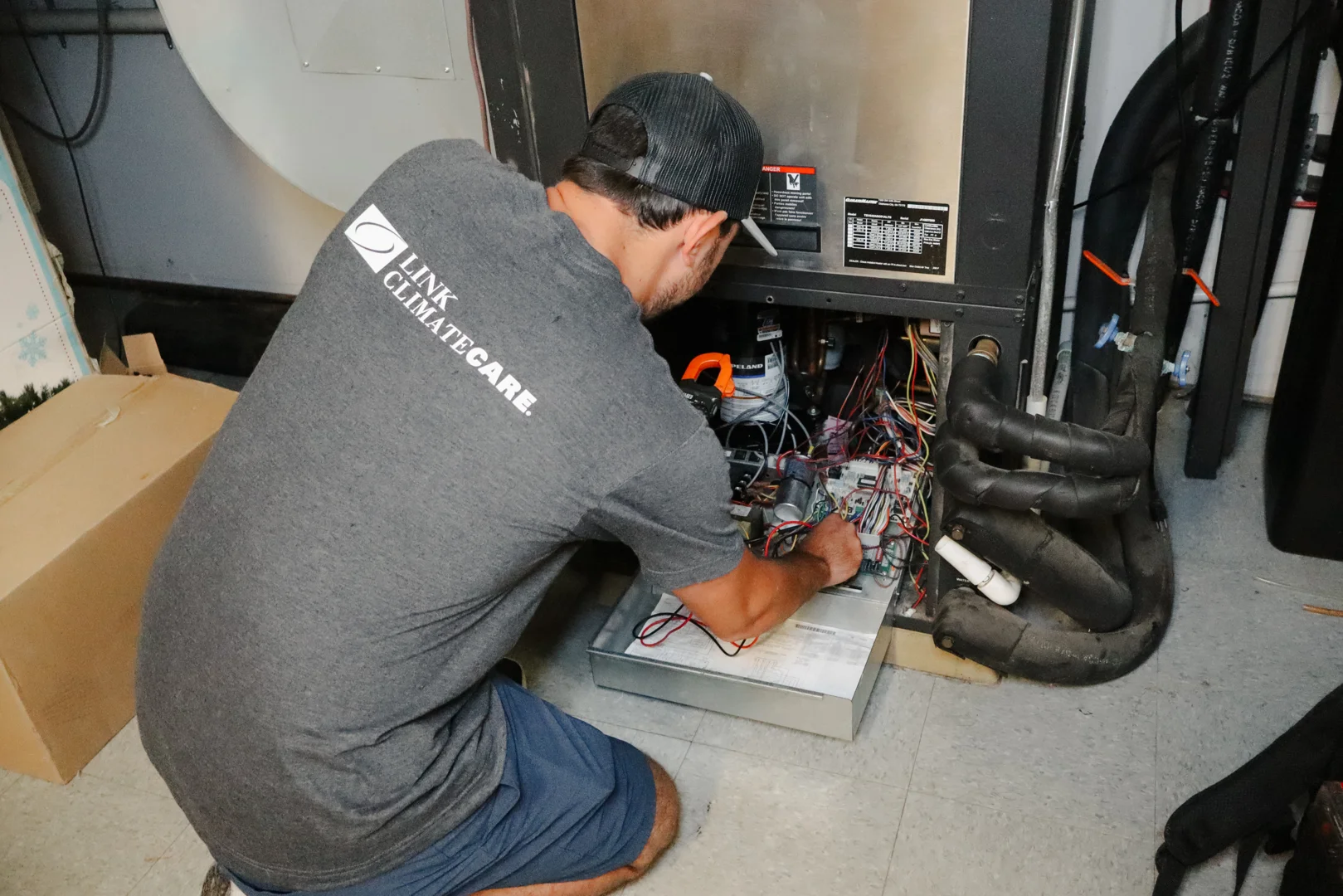
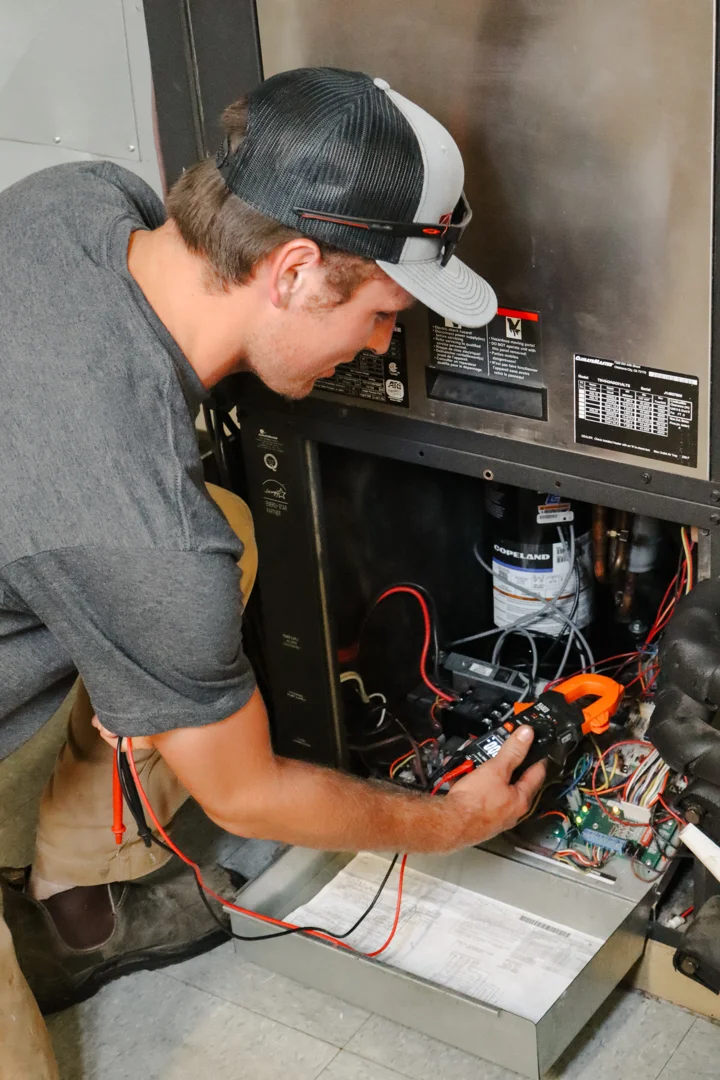
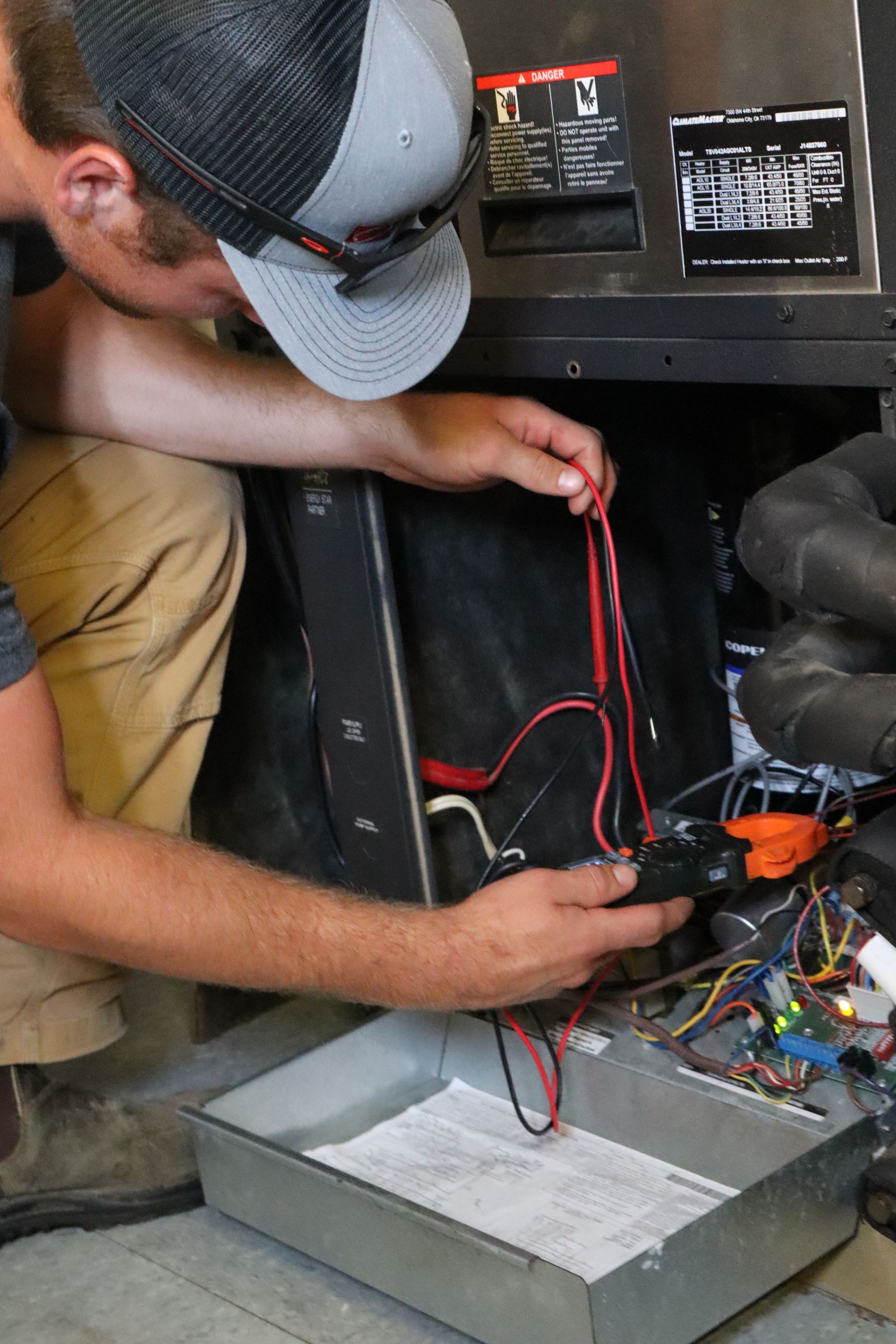
When these conditions occur, the circuit board displays specific diagnostic fault codes. Digital control board diagnostics help technicians interpret these safety trips. Resolving these electrical and mechanical cutouts requires heat pump repairs performed by certified professionals.
Professional Diagnostic and Service Solutions
Servicing a ground-source heat pump requires specialized equipment and hydronic training. Because packaged geothermal heat pumps contain a critically balanced factory refrigerant charge, hooking up standard manifold gauges unnecessarily can introduce non-condensables or vent refrigerant. Experienced technicians evaluate the water-side performance before touching the refrigeration circuit.
Technicians also test antifreeze concentration and fluid quality using an optical refractometer calibrated for propylene or ethylene glycol. Over time, loop fluid inhibitors can degrade, causing acidic conditions that damage pump impellers. Routine hydronic testing ensures your system delivers reliable comfort throughout the year, especially when providing geothermal heating during freezing Canadian winters.
Diagnostic Procedures for a Geothermal System Not Heating Systematically
When investigating an intermittent heating loss, a qualified technician follows a structured testing sequence:
- Assessing the Live Operating Fault: Evaluating the system while it is actively in its failure state allows the technician to observe active safety codes without clearing internal memory.
- Measuring Water Temperature Differentials: Recording the Entering Water Temperature and Leaving Water Temperature across the coaxial heat exchanger confirms whether fluid flow falls within the standard 2.25 to 3.0 gallons per minute per ton range.
- Calculating Heat of Extraction: Comparing total heat extraction against manufacturer performance data determines whether thermal transfer issues originate in the loop field or inside the cabinet.
- Verifying Expansion Tank and Static Pressure: Checking that the expansion tank pre-charge sits between 15 and 20 PSI and that static loop pressure remains stable ensures smooth hydronic flow.
- Testing Electrical Safeties and Controls: Checking 24-volt control signals, capacitor microfarad ratings, and compressor winding resistance verifies proper electrical health.
When to Schedule Certified Geothermal Maintenance
If your geothermal system repeatedly locks out, produces abnormal pump noises, or blows room-temperature air despite a clean filter, it is time to contact a professional. Attempting to clear persistent fault codes by repeatedly cycling the breaker can cause progressive damage to the compressor and circulating pumps.
When scheduling a service visit, have your equipment model number, recent runtime observations, and any flashing LED patterns ready for the technician. Regular seasonal inspections keep your equipment operating at peak efficiency. For more insights on long-term system care, visit our guide on geothermal heating ten common questions answered.
At Link ClimateCare, we back our residential heating services with extensive local experience across Beaverton, Lindsay, Peterborough, and the Kawartha Lakes region. Our team provides 24/7 emergency response and a 100 percent satisfaction guarantee to keep your home comfortable in every season. If your geothermal system requires expert diagnosis, maintenance, or repair, contact the team at Link ClimateCare today.